Hardware · Software · Services
What I use.
A running log of the tools, hardware, and services that make up my daily workflow. Not aspirational, this is what actually runs.

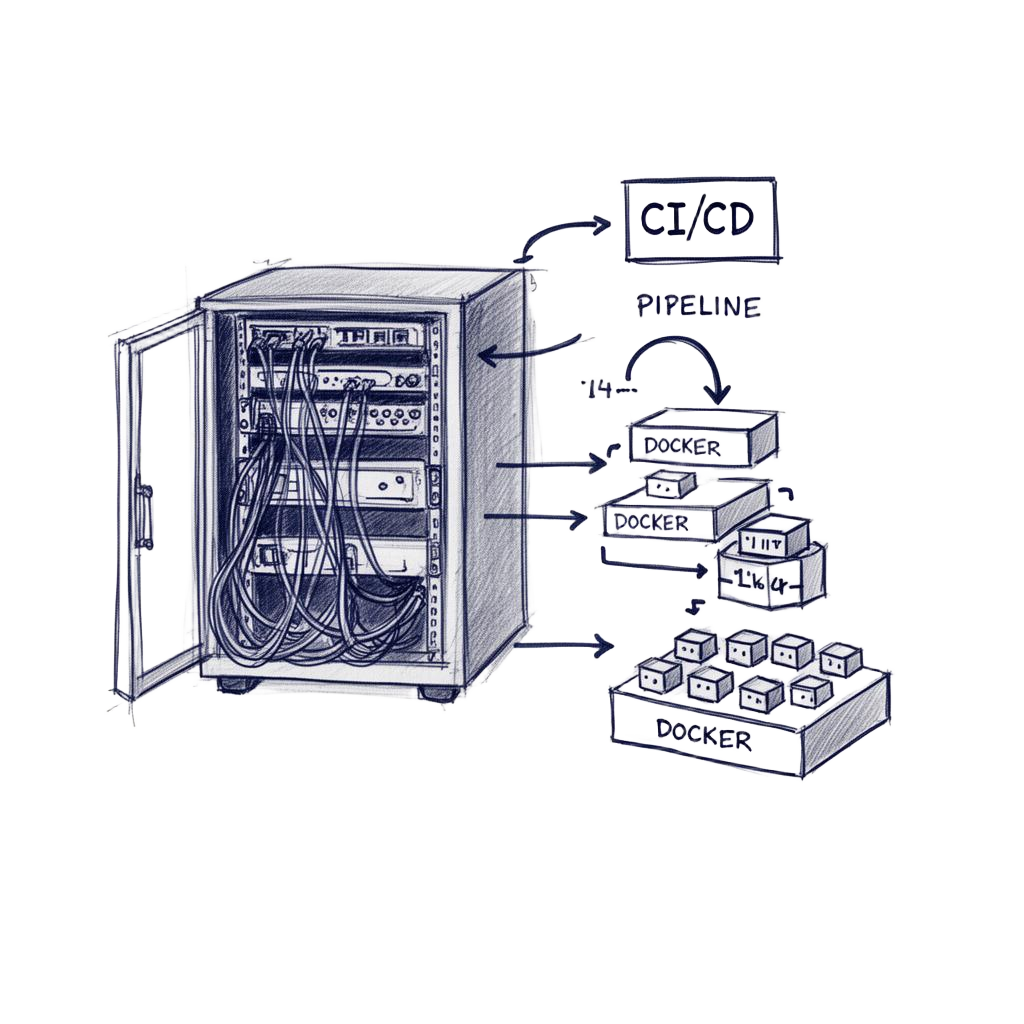
Primary CI orchestration. Self-hosted, declarative pipelines.
All build environments are containerised. Reproducibility by default.
Dependency management and reproducible builds. Painful to learn, worth it.
Server provisioning and configuration management.
iOS and Android release automation, signing, and deployment.
Primary cloud provider for Ethereum nodes. Excellent price-to-performance.
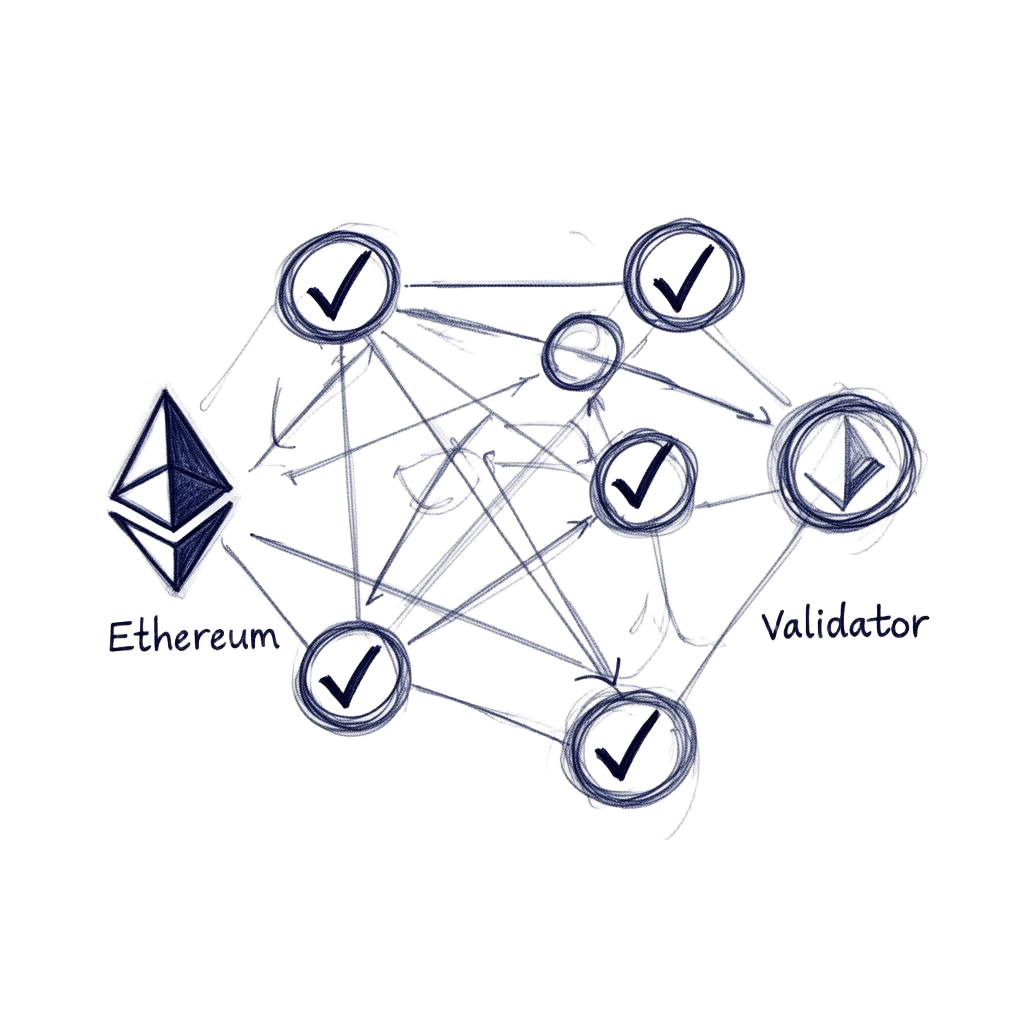
Consensus client of choice. Lightweight, written in Nim.
Execution client. .NET-based, robust and well-maintained.
Decentralised staking protocol. Participating as a node operator and ODAO member.
Liquid staking. Running validators as part of Lido's operator set.
Validator and node monitoring. Alerts wired to PagerDuty.
Daily driver. Lua config, minimal plugins, fast.
Multiplexer for long-running sessions on remote servers.
Obvious, but worth saying: command-line only.
Shell setup. Starship prompt keeps it informative without clutter.
Terminal emulator. Fast and native.
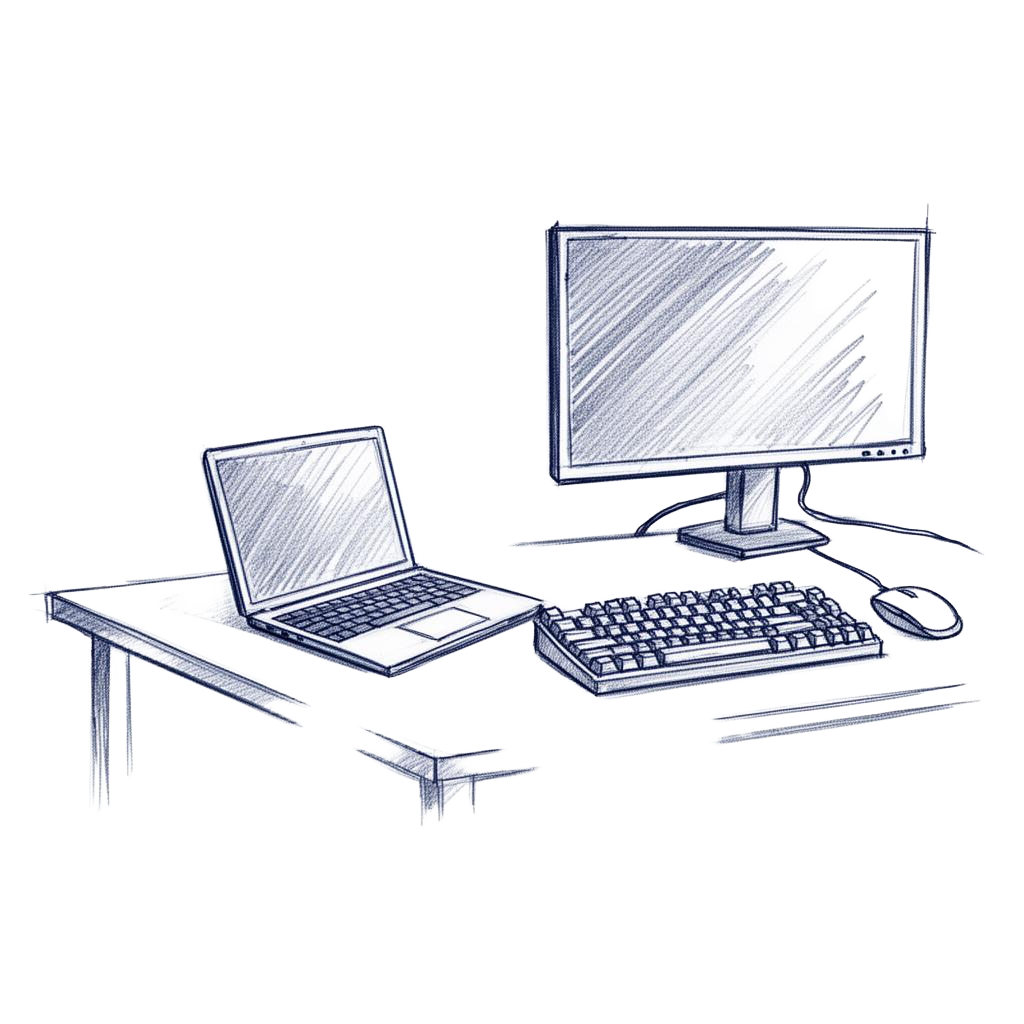
Primary machine. The ARM build performance is genuinely transformative.
Secondary machine running NixOS. Used for testing Linux builds.
27-inch 4K IPS. Good enough without being excessive.
Wireless mechanical. Gateron G Pro switches.
The scroll wheel alone justifies the price.
Password and secrets manager. Team license.
VPN mesh for accessing home lab and build servers.
DNS, tunnels, and R2 for static assets.
Cheap, reliable object storage for backups.
Issue tracking for personal projects. Clean and fast.
Not everything
is infrastructure.
I play games to turn my brain off. Mostly single-player stuff that I can pick up on the Steam Deck between builds.
# Steam · PC · Steam Deck
527h total
217h total
Live via Steam API · Updated Sep 2026